

Touring Israel
A solo exhibition by Ruti Singer
Curator: Dr. Revital Michali
29.11.2025 - 3.1.2026
Photos: Liat Elbling
“Arise, walk through the land” is a biblical command that later evolved into a Zionist imperative, aimed at strengthening the connection to and love for the Land of Israel by walking, wandering, and exploring it. In retrospect, looking back at the early days of the State of Israel, it is evident that the practice of presenting residents and visitors with printed photographic albums was common practice — precisely to instill this very command. These were carefully arranged collections of photographs that served to convey impressions of the country's landscapes while illustrating the momentum of the developing nation and the life taking shape within it.
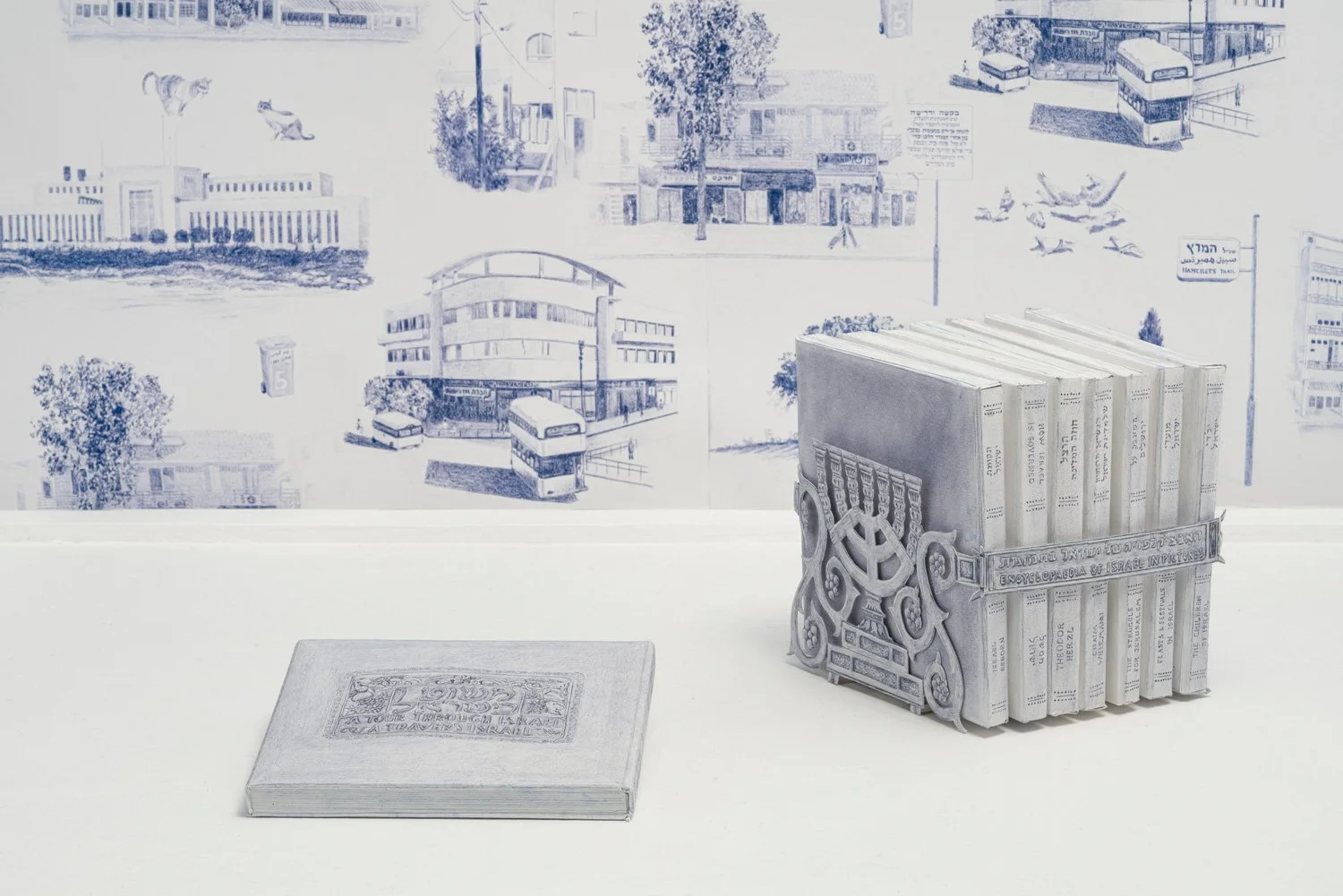
One of these collections was the “Encyclopedia of Israel in Pictures”, eight volumes elegantly bound in imitation leather with embossed copper plaques. Each book focused on a different aspect of the young state and was accompanied by photographs taken by some of Israel’s finest photographers of the time. One of the volumes, titled “A Tour Through Israel”, compiles images from across the country. What seem to be typical depictions of village, city, and kibbutz life are, in retrospect, revealed to be a practice that served as a foundational element in the construction of the invented Zionist tradition. The photographs — portraying communal living, construction, and seemingly spontaneous activity — functioned as propaganda, aimed both at the country’s residents and at potential future immigrants beyond its borders.
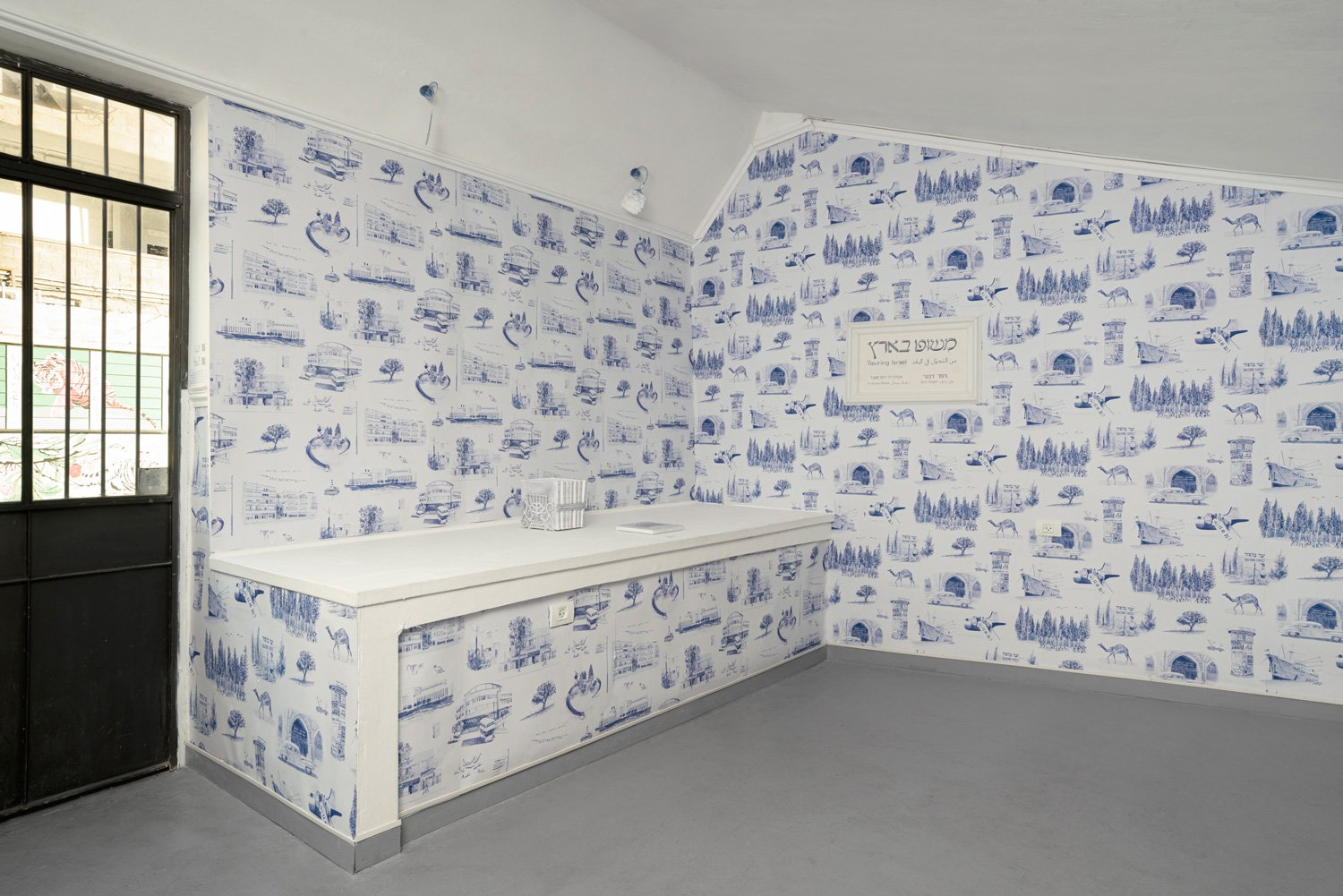
This album, a paper replica of which is displayed on the gallery stage, found its way to the childhood home of artist Ruti Singer in Johannesburg, and became part of the visual and emotional landscape of her early years — even after she immigrated to Israel at the age of ten. The photographs within it helped shape her parents’ Zionist dream and consciousness, propelling them to fulfill that vision by immigrating to Israel and settling on Kibbutz Ginegar. However, the reality they encountered was different — more complex and not necessarily very welcoming.
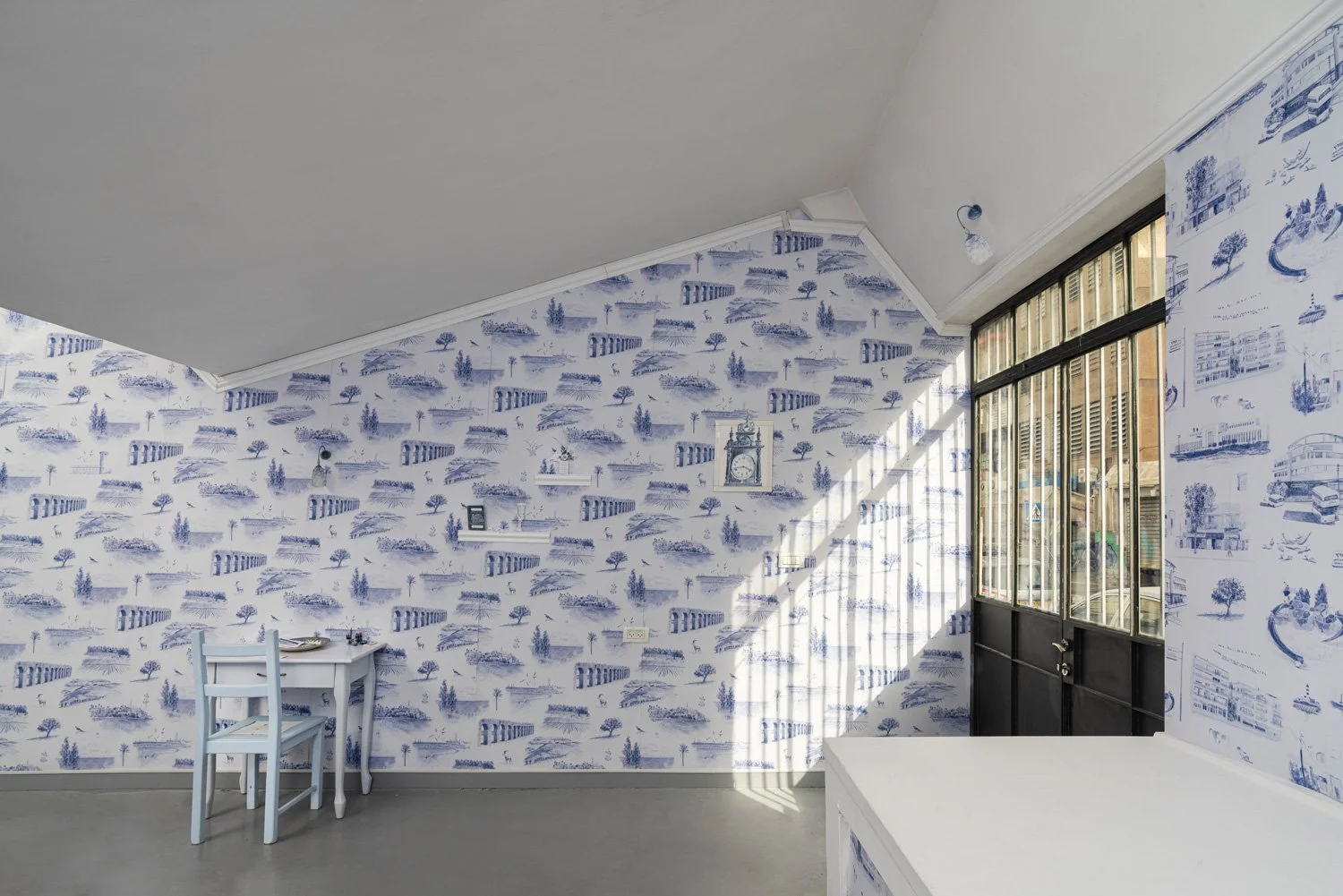
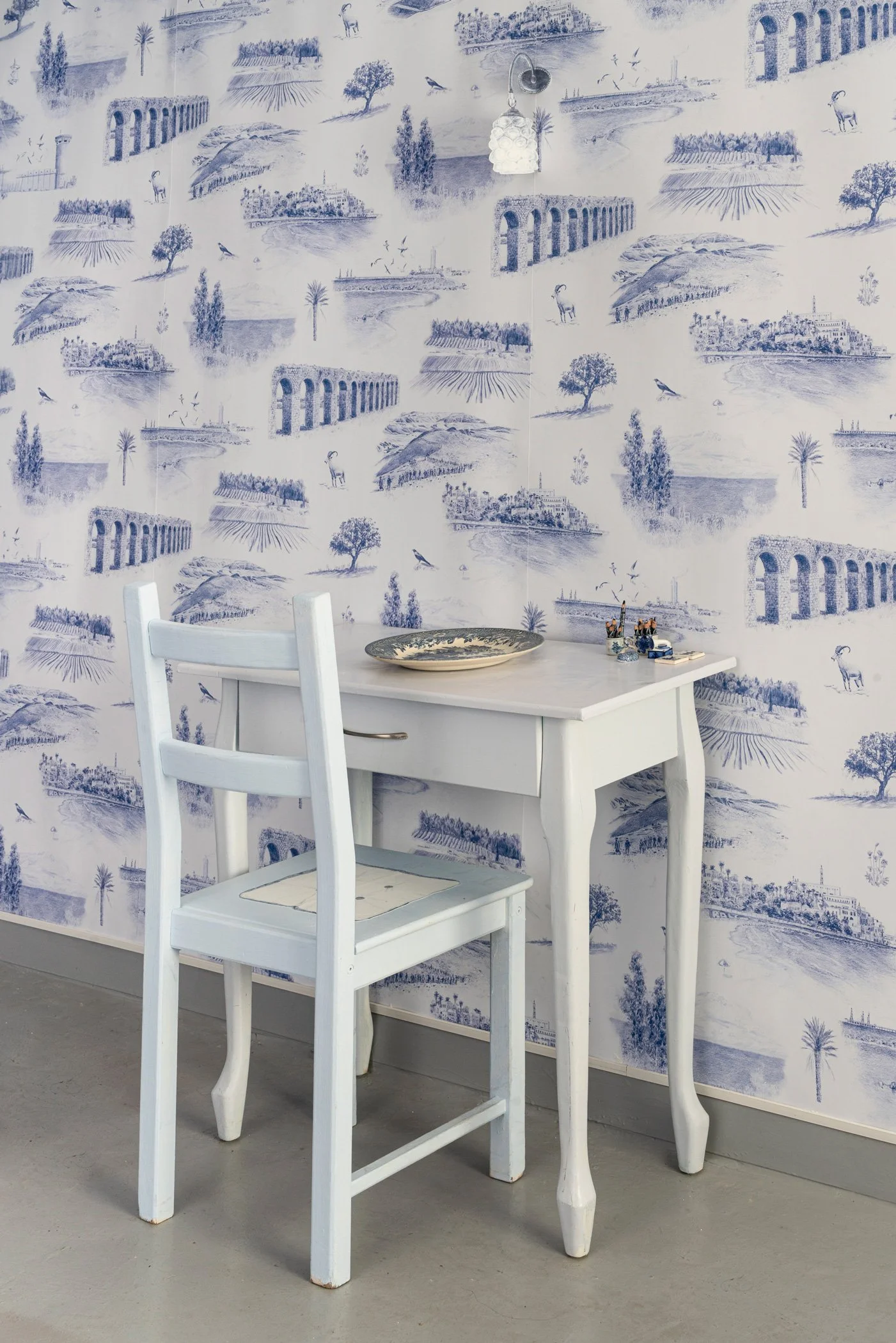
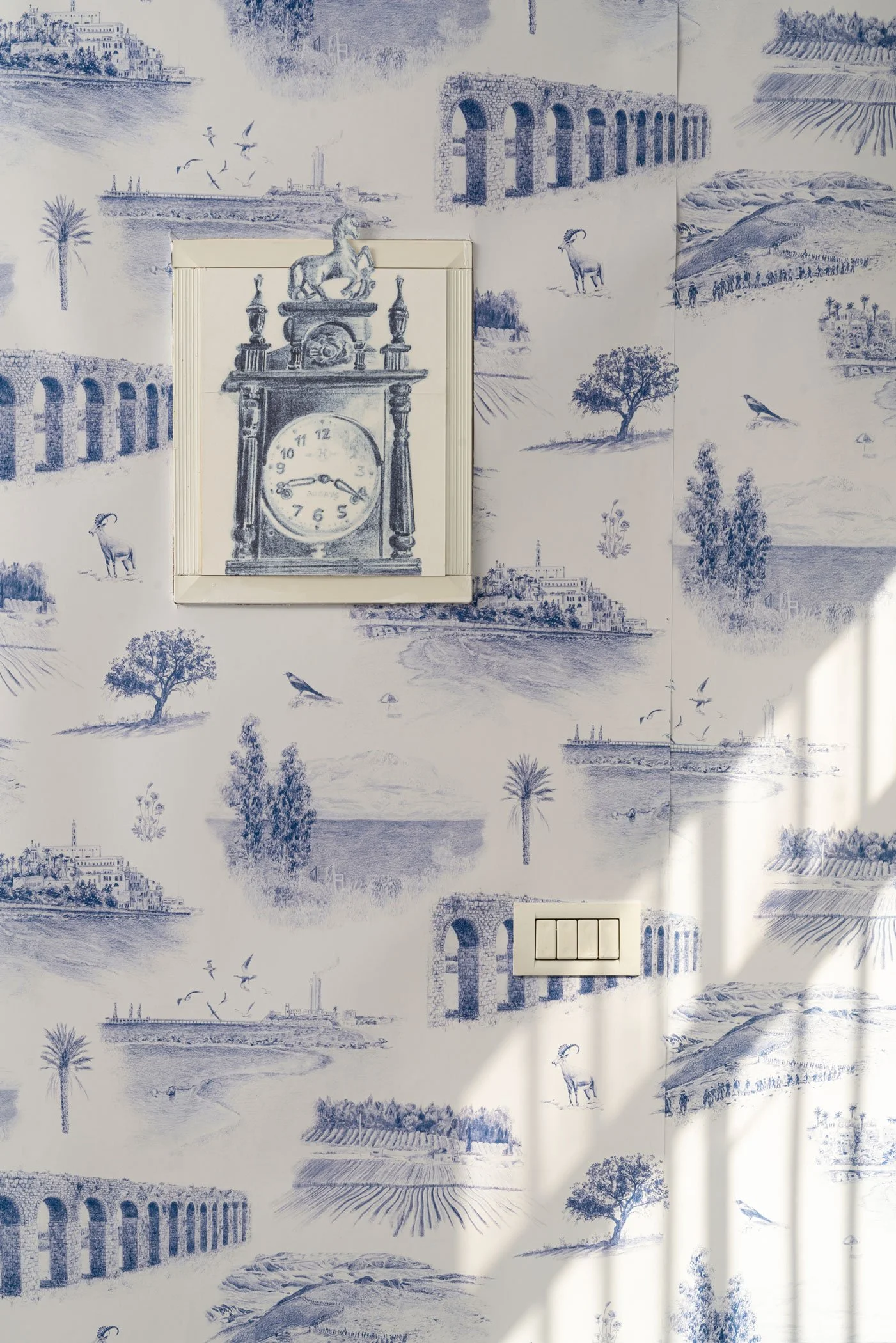
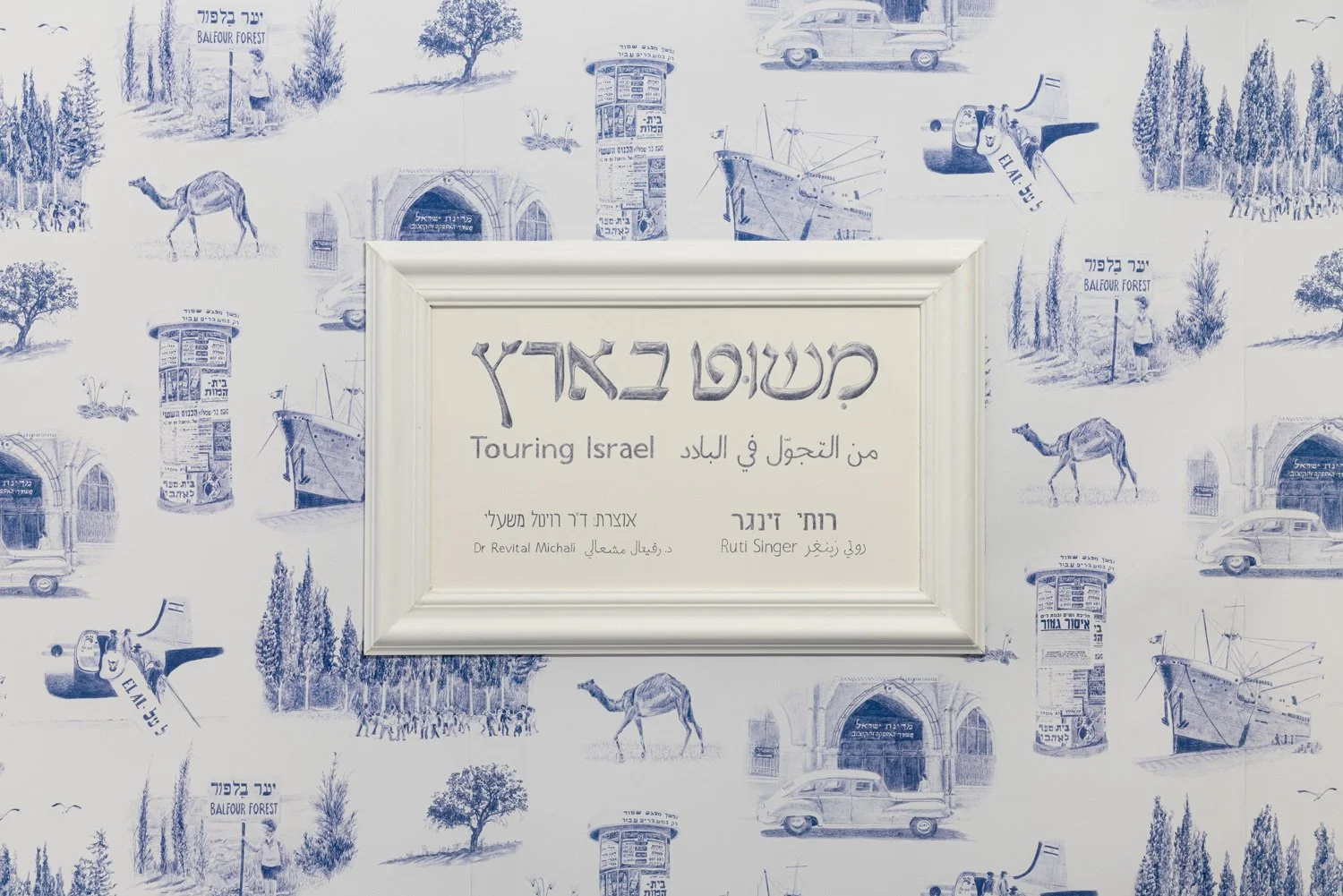
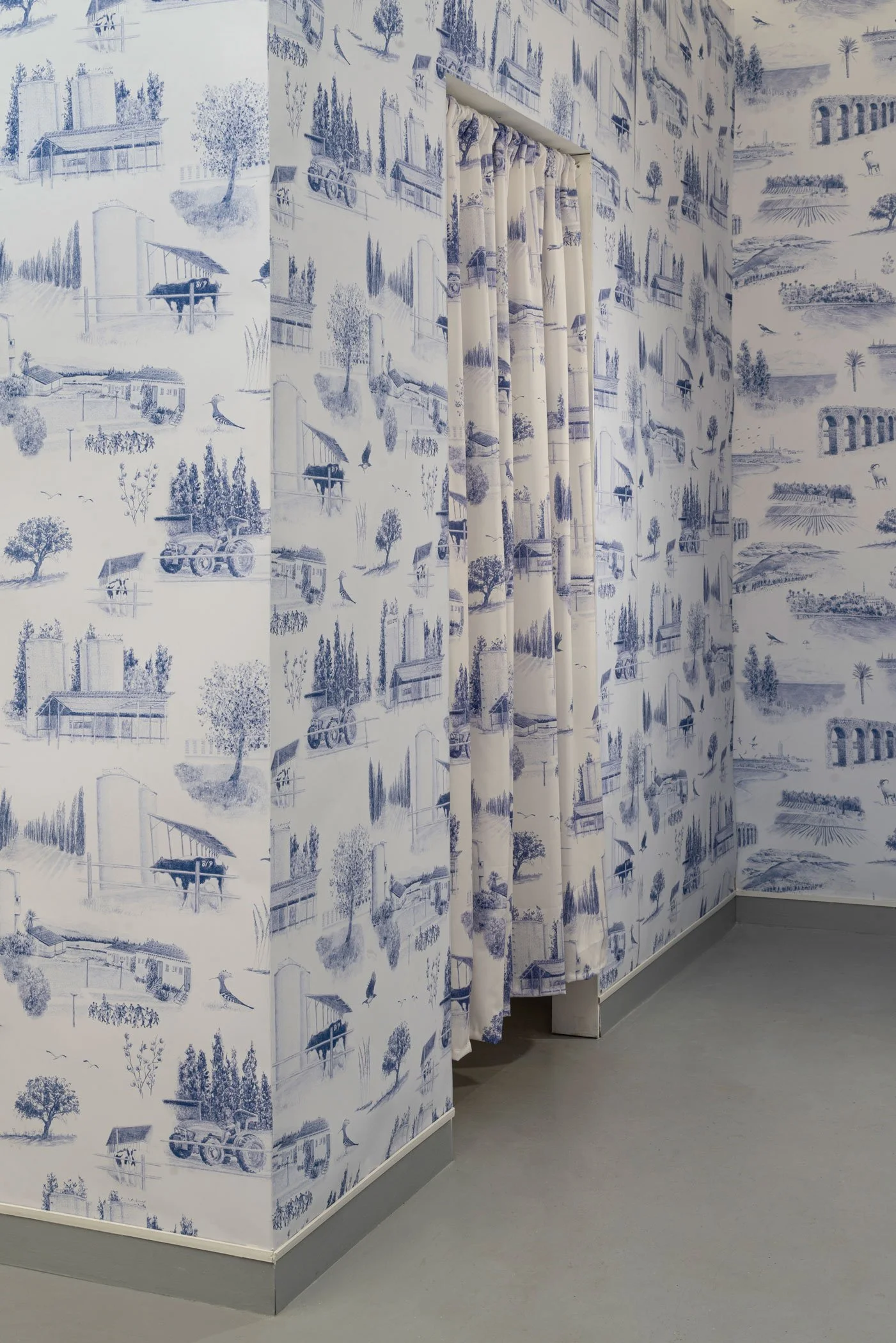
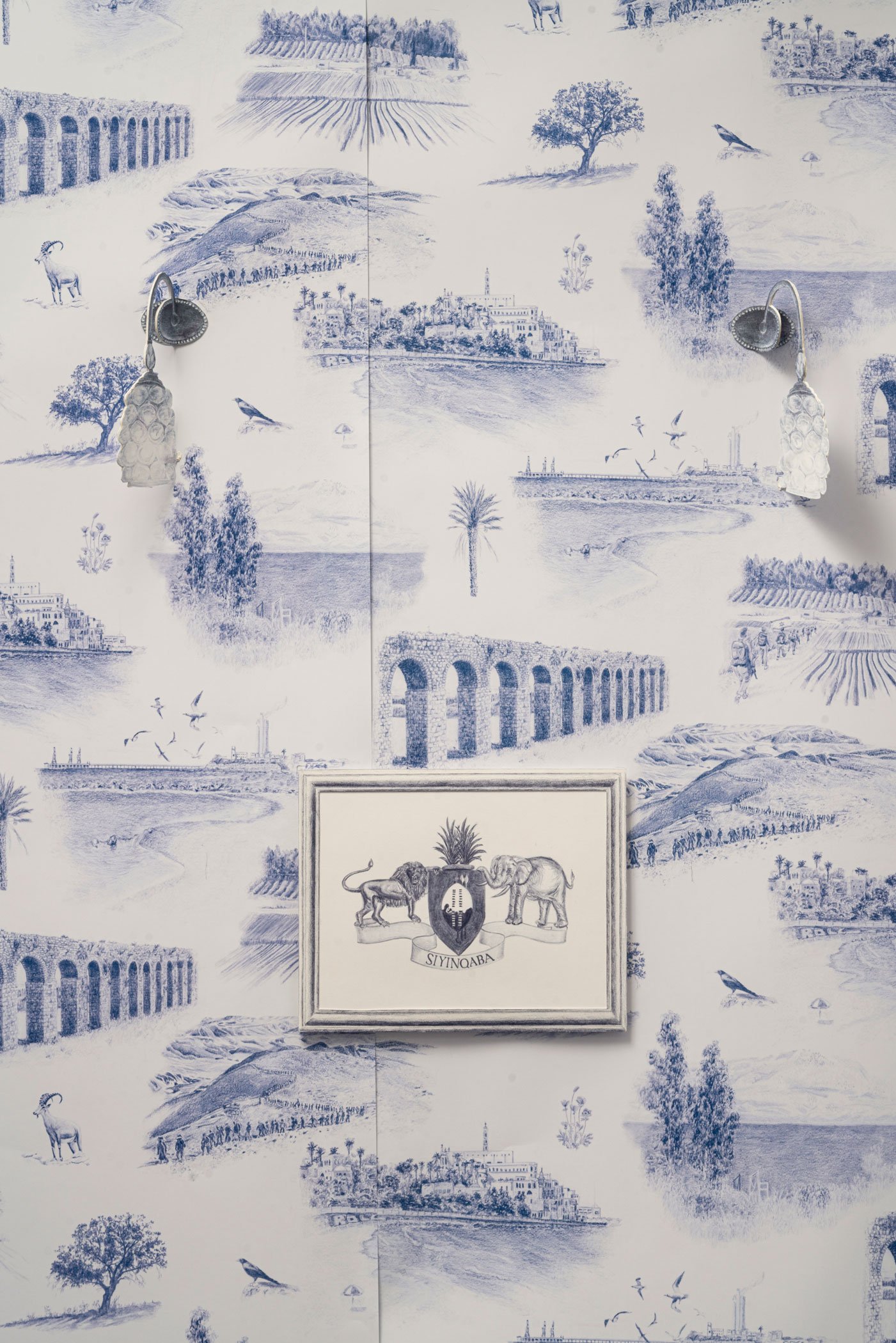
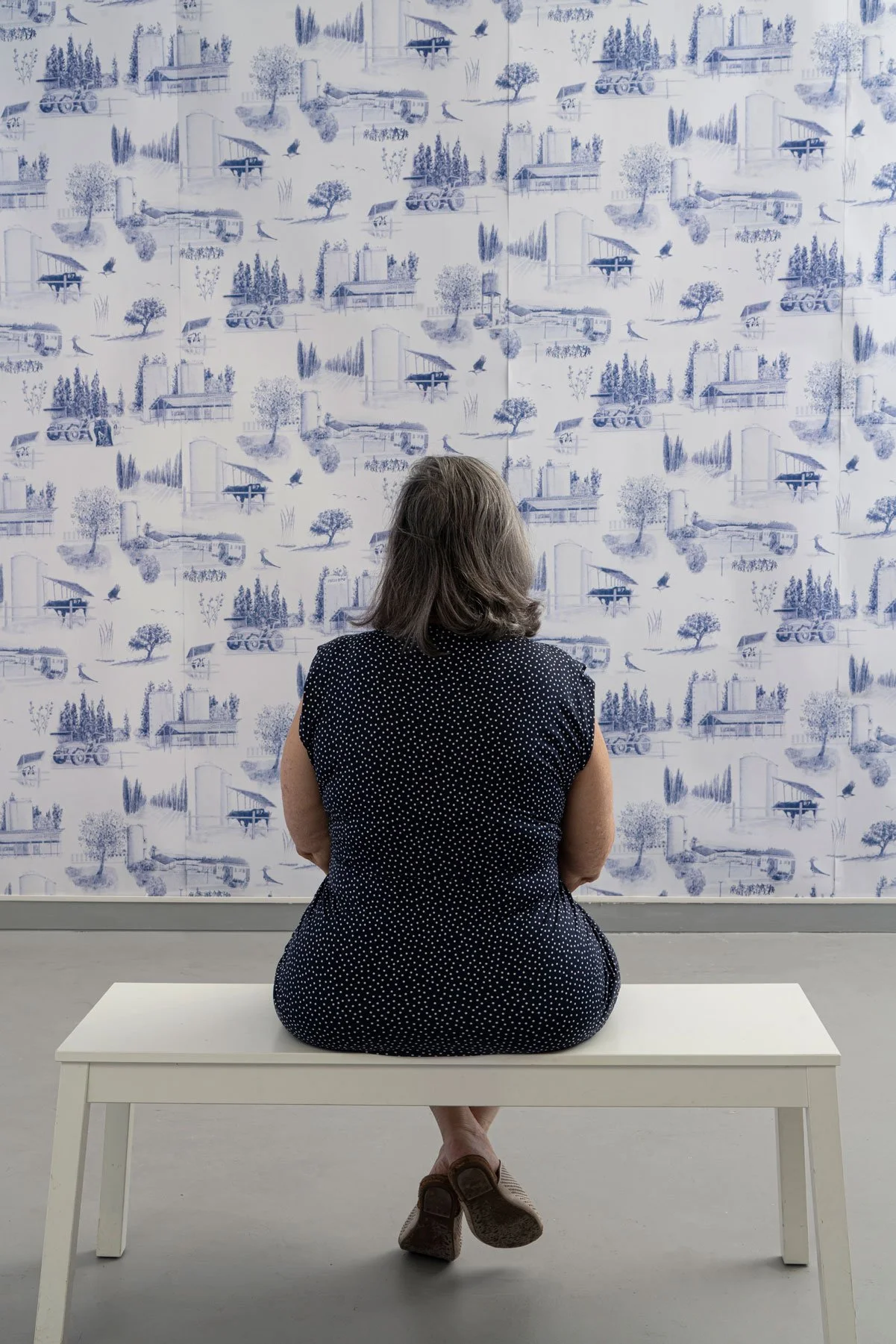
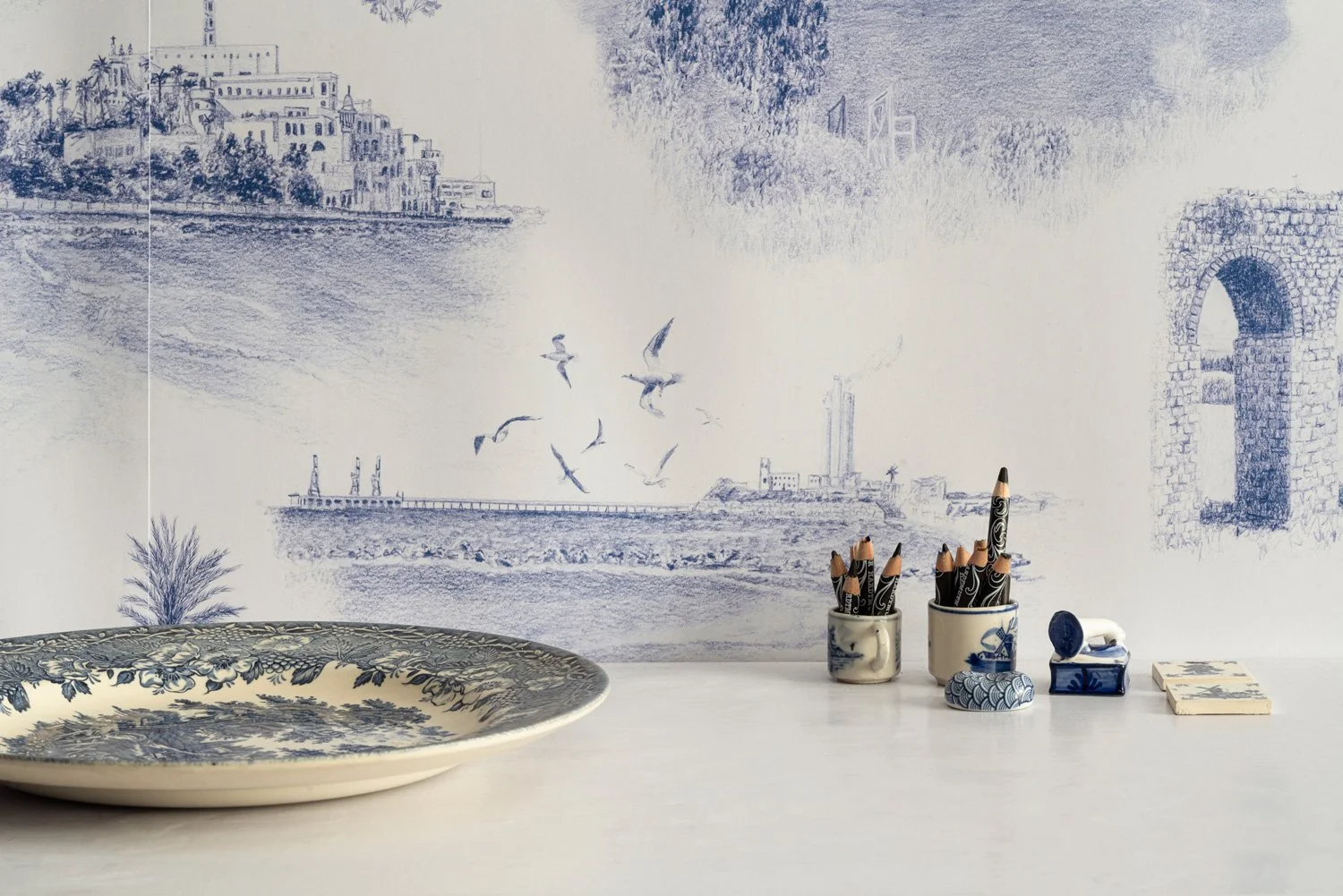
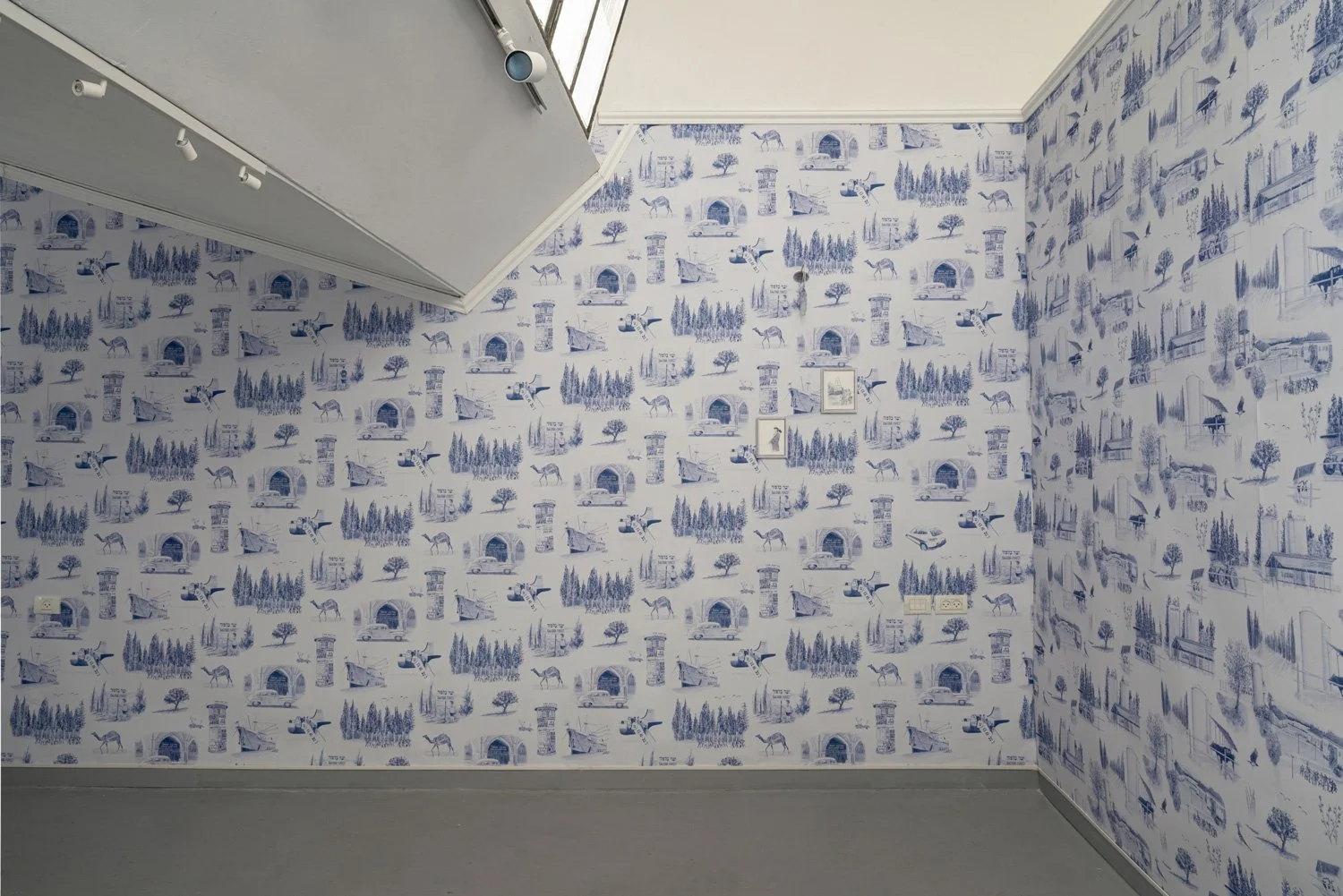
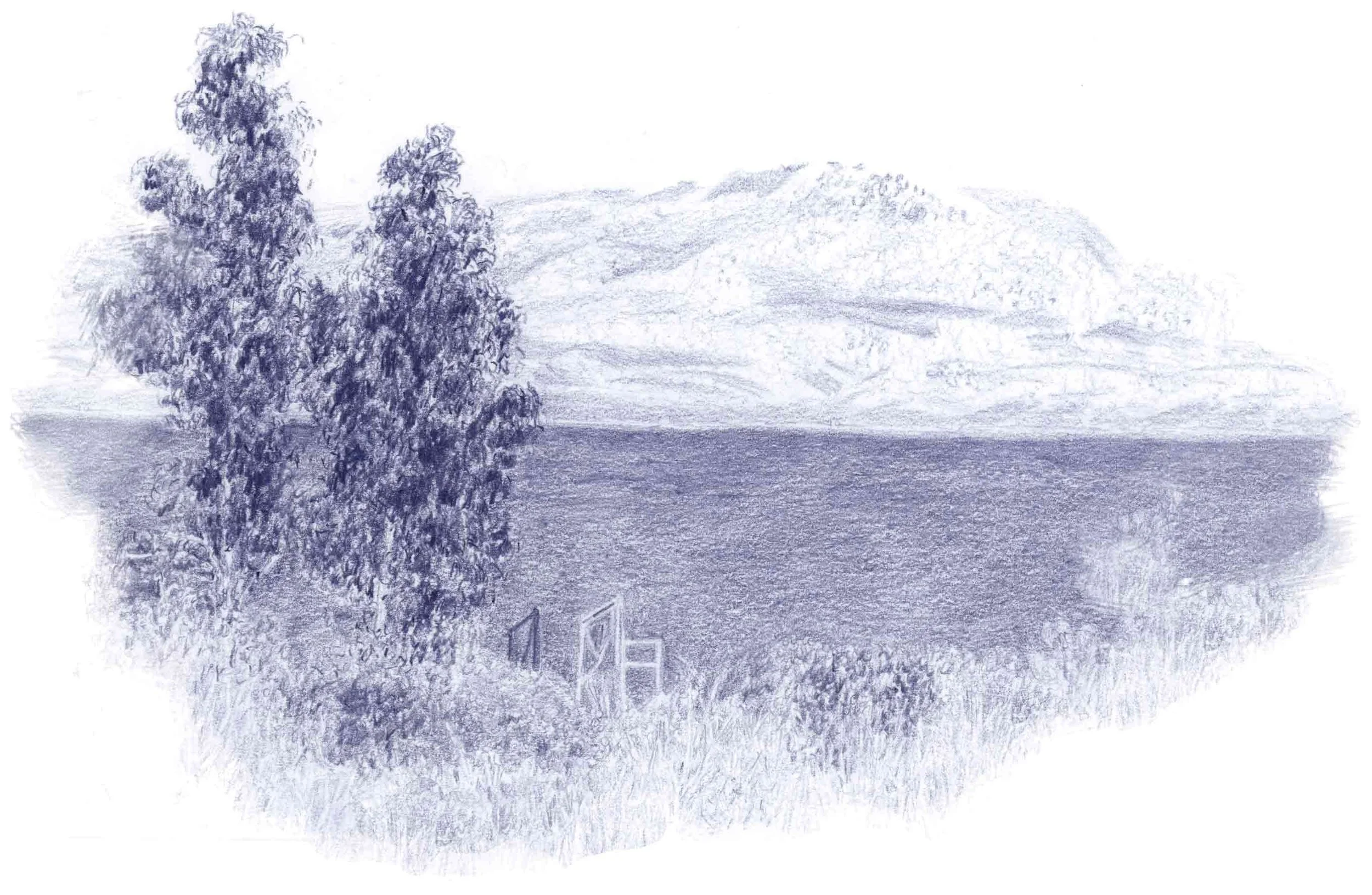
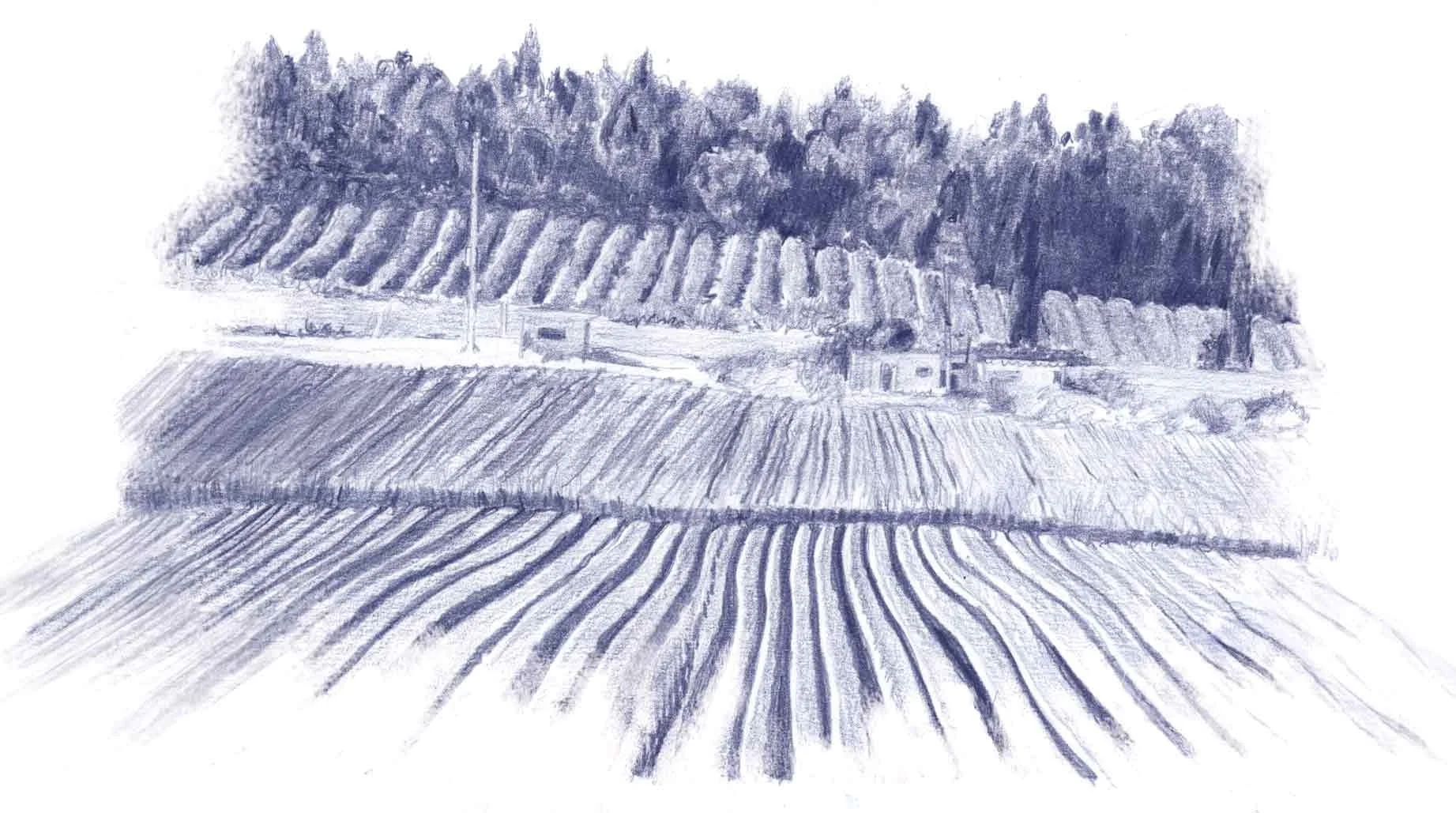
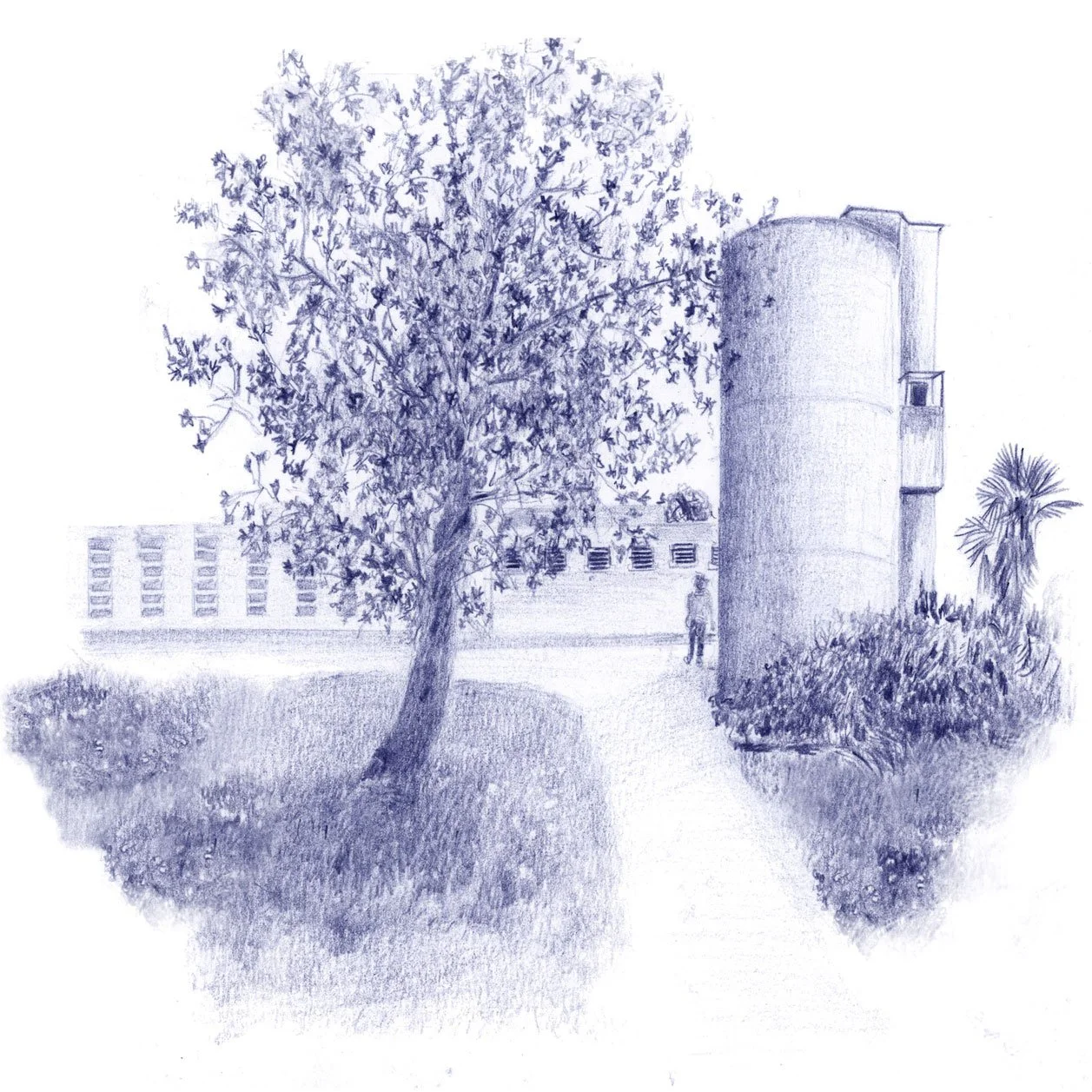
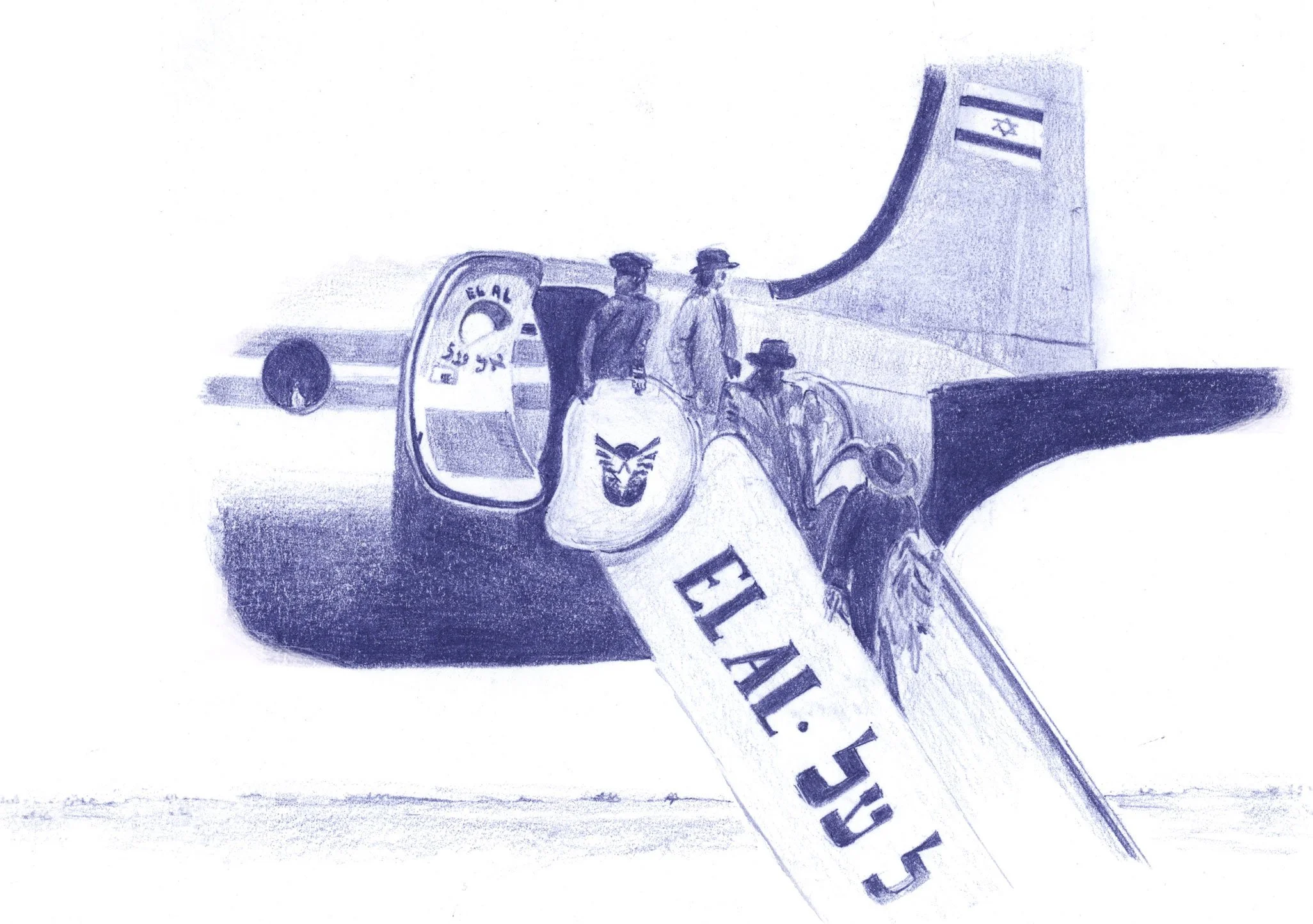
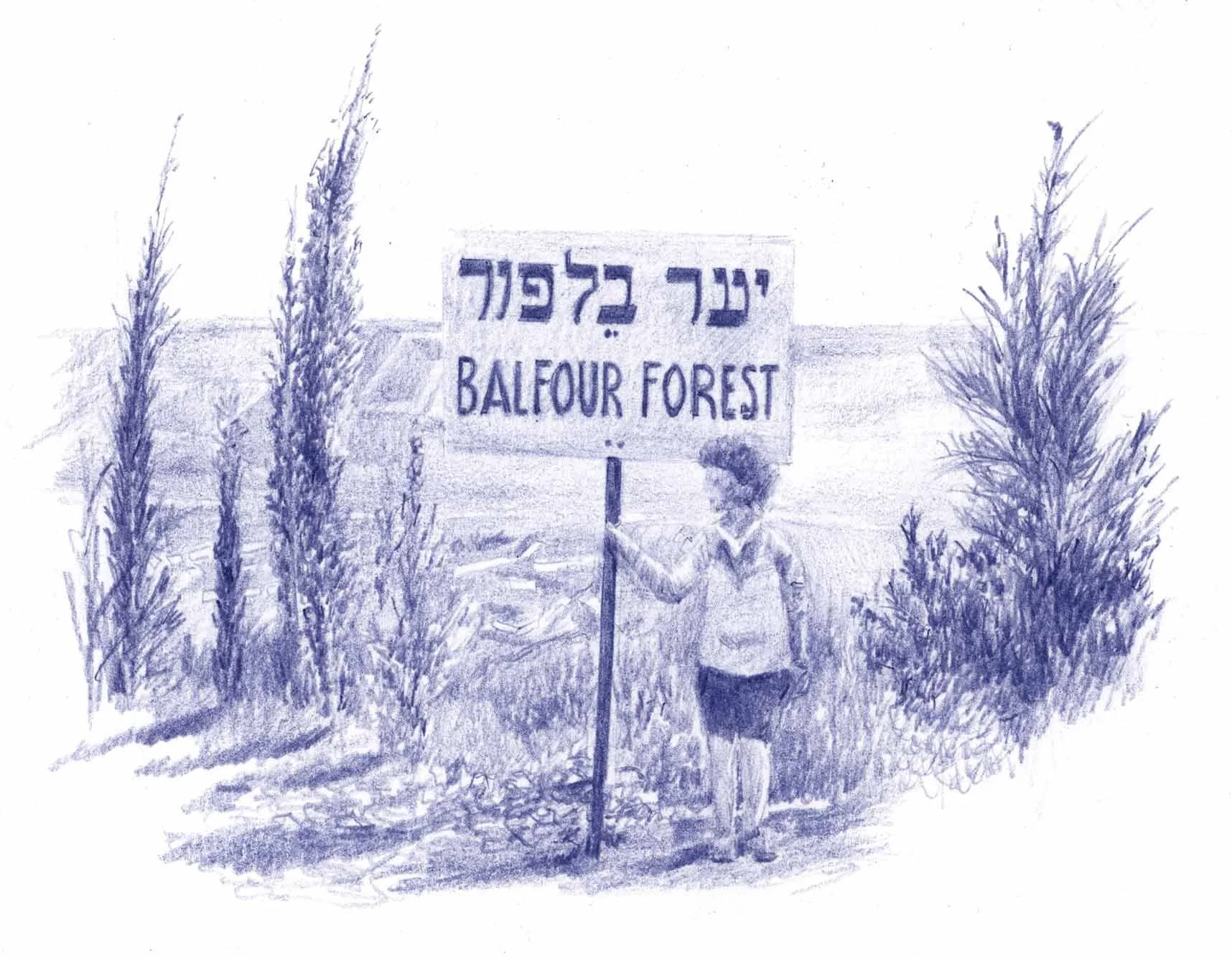
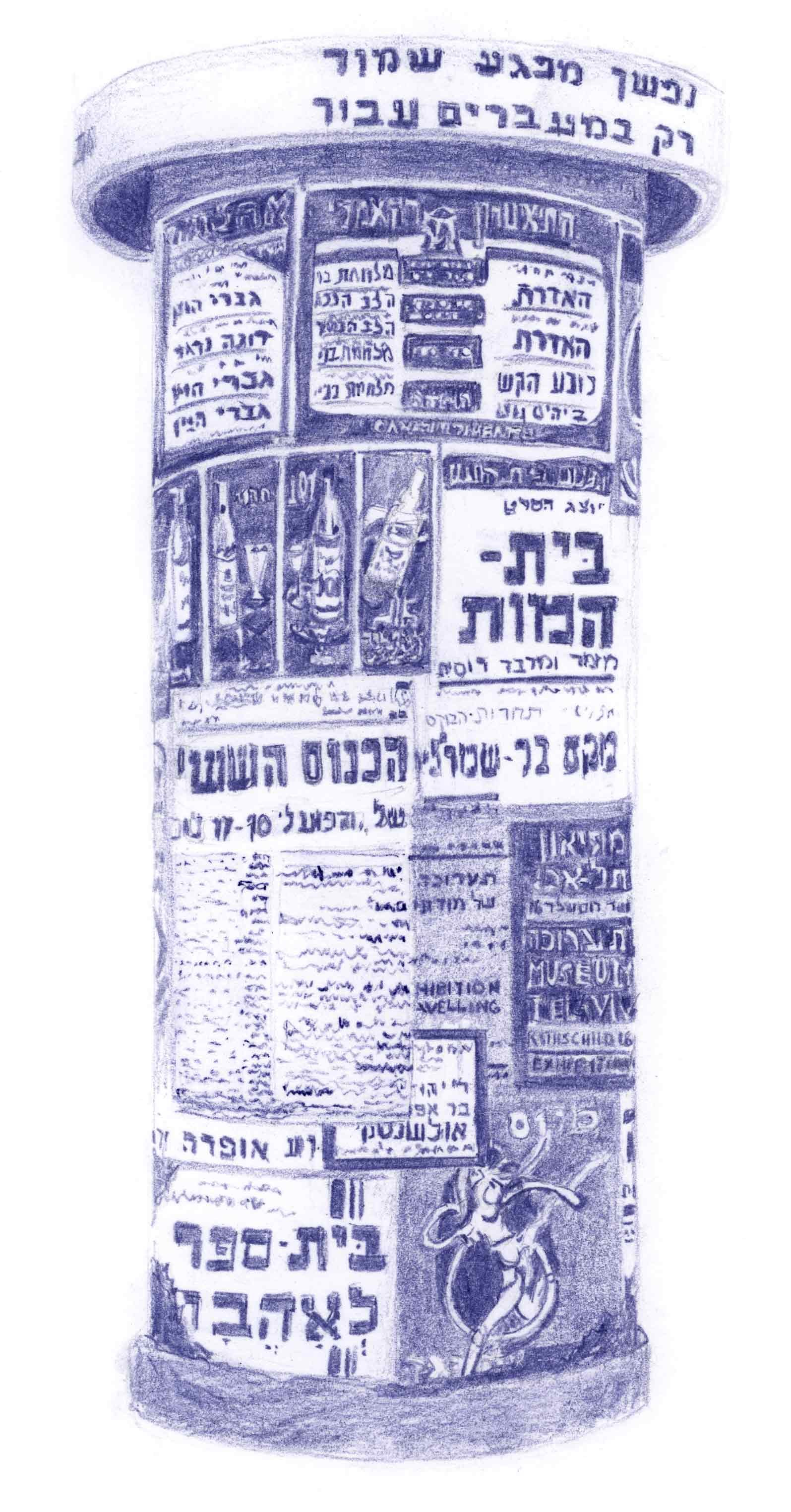
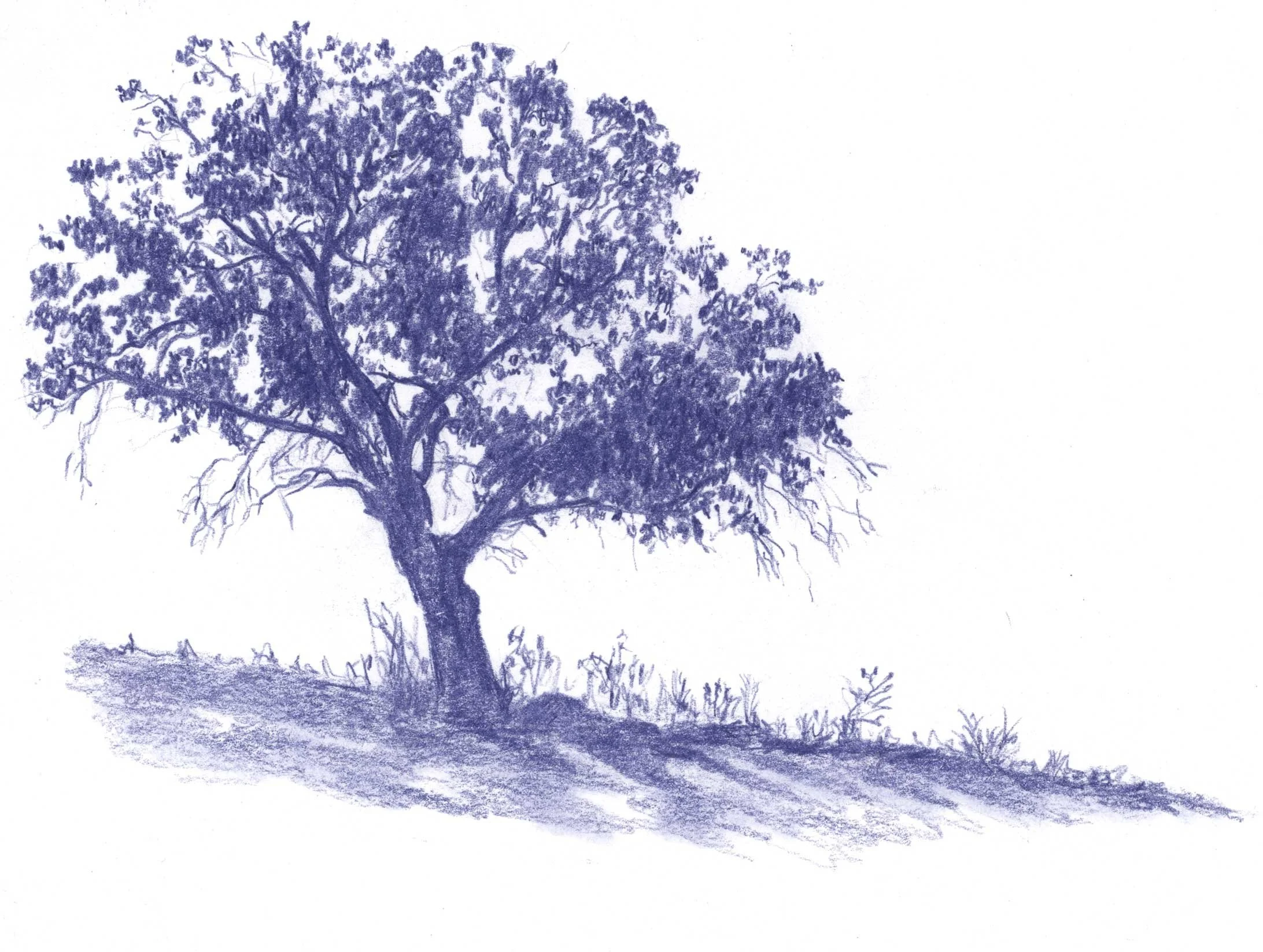
The current exhibition stems from the disparity between a dream and its realization, between the familiar images remembered from photographs and youth movement stories, and the sense of alienation experienced in reality — a gap that only later, in Singer’s adult years, was translated into political consciousness. The artist revisits the album, meticulously drawing, in pastoral style and blue pencil, images from the historical album, alongside her own and family photographs. These delicate drawings are replicated and transformed into wallpaper, evoking the texture of carbon copy prints or Toile de Jouy fabric — romanticizing the country’s landscapes while simultaneously exposing national and personal rupture. The images, which once stirred nostalgia and yearning for days gone by, are now accompanied by a sense of melancholy, disappointment, and heartbreak.
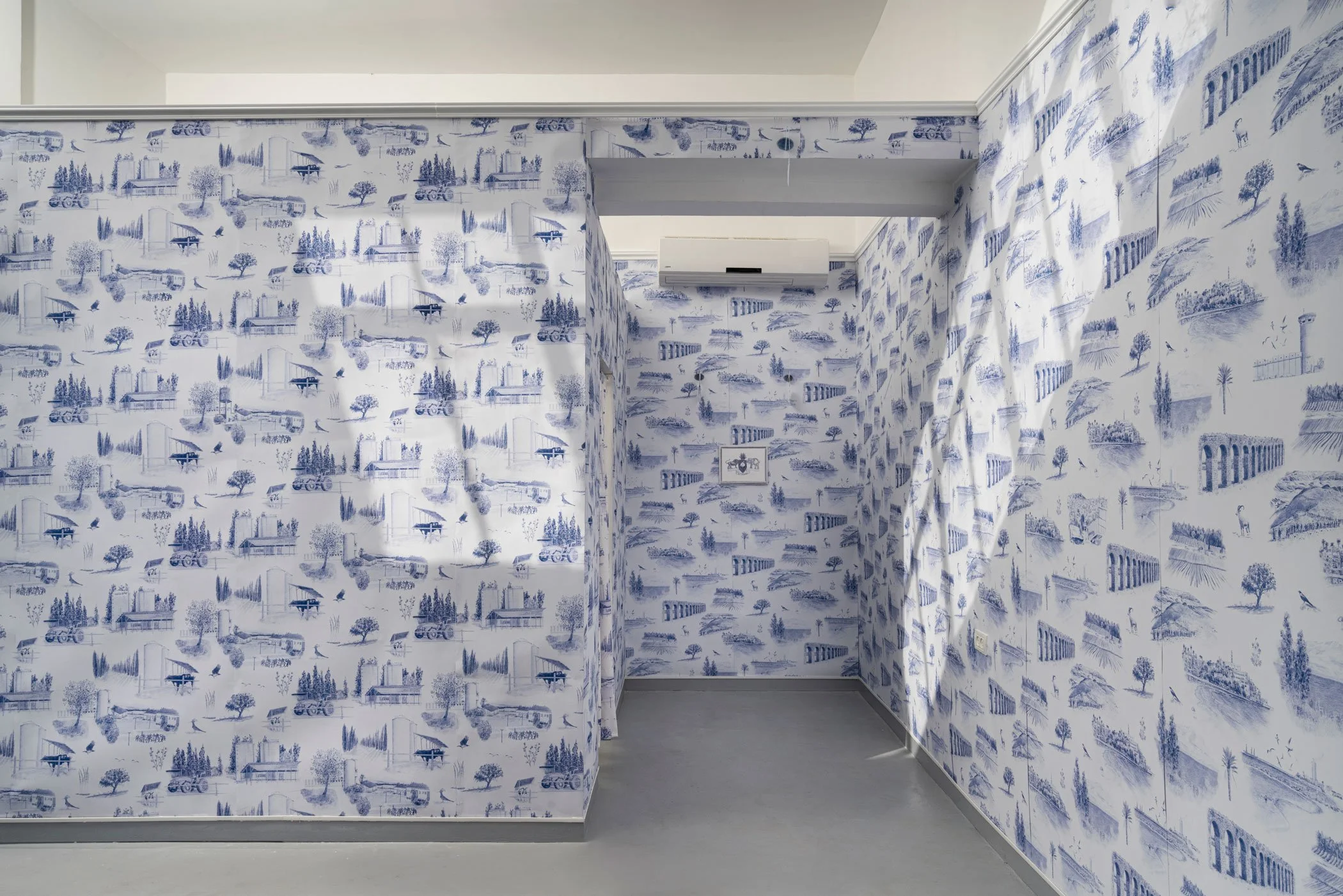
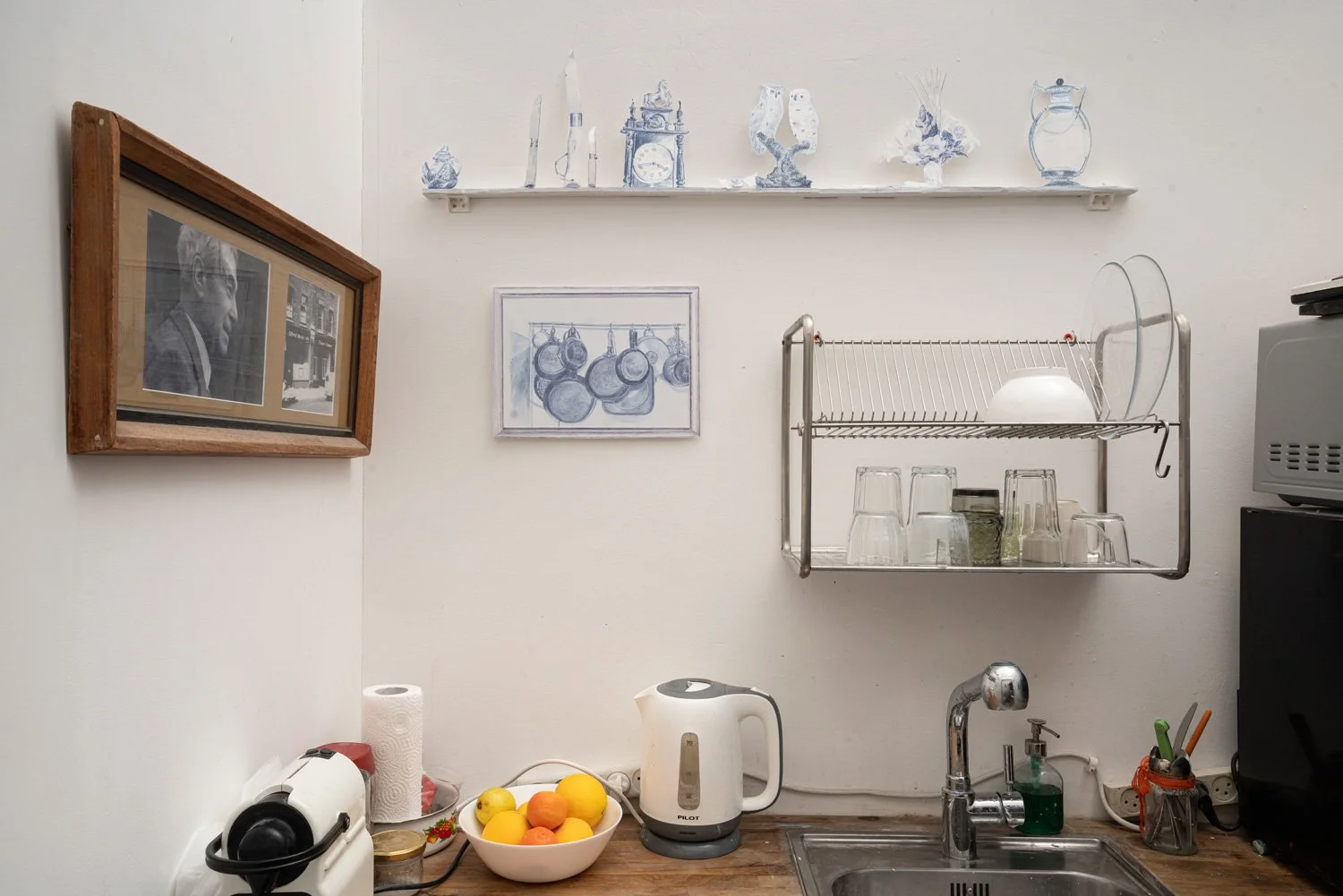
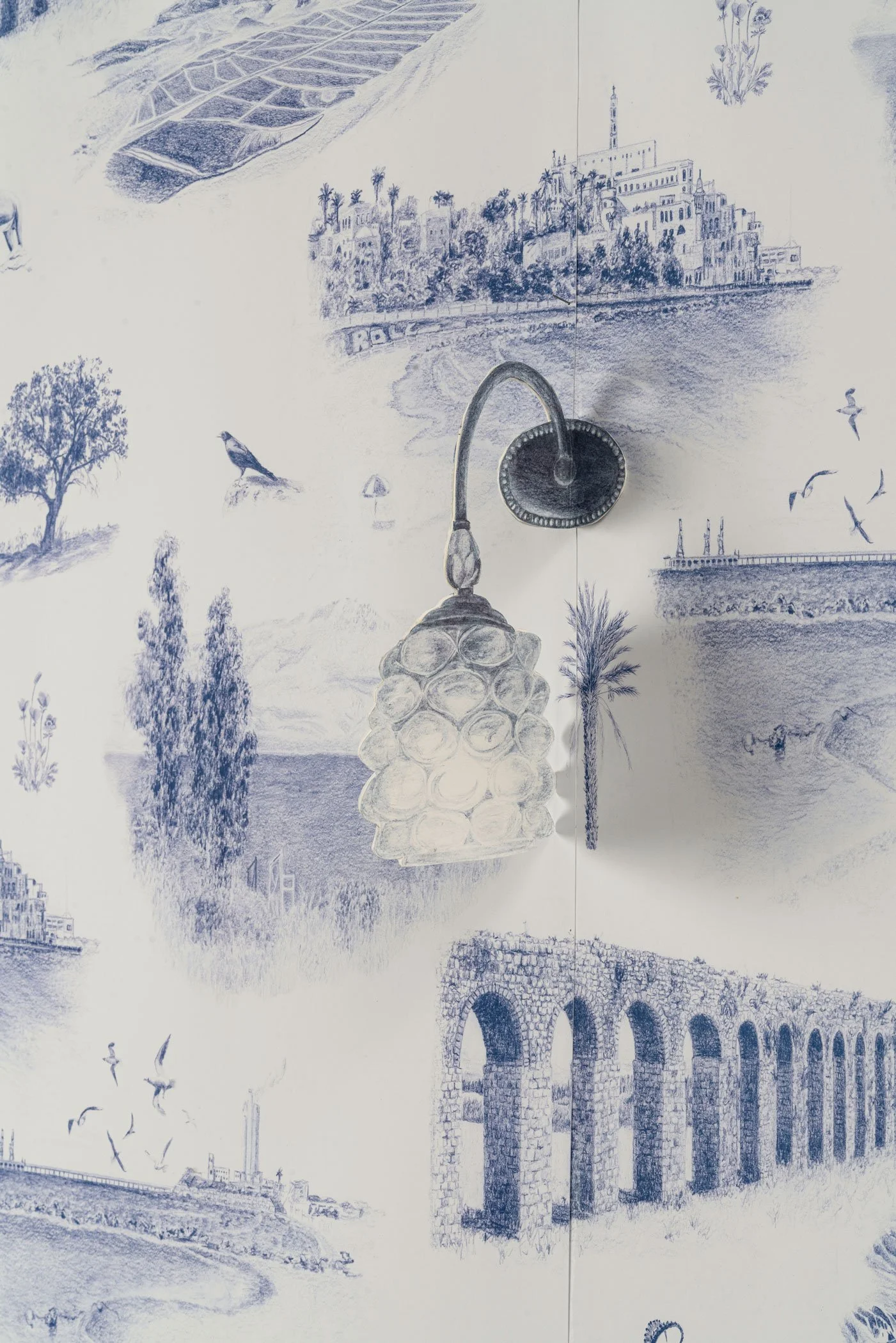
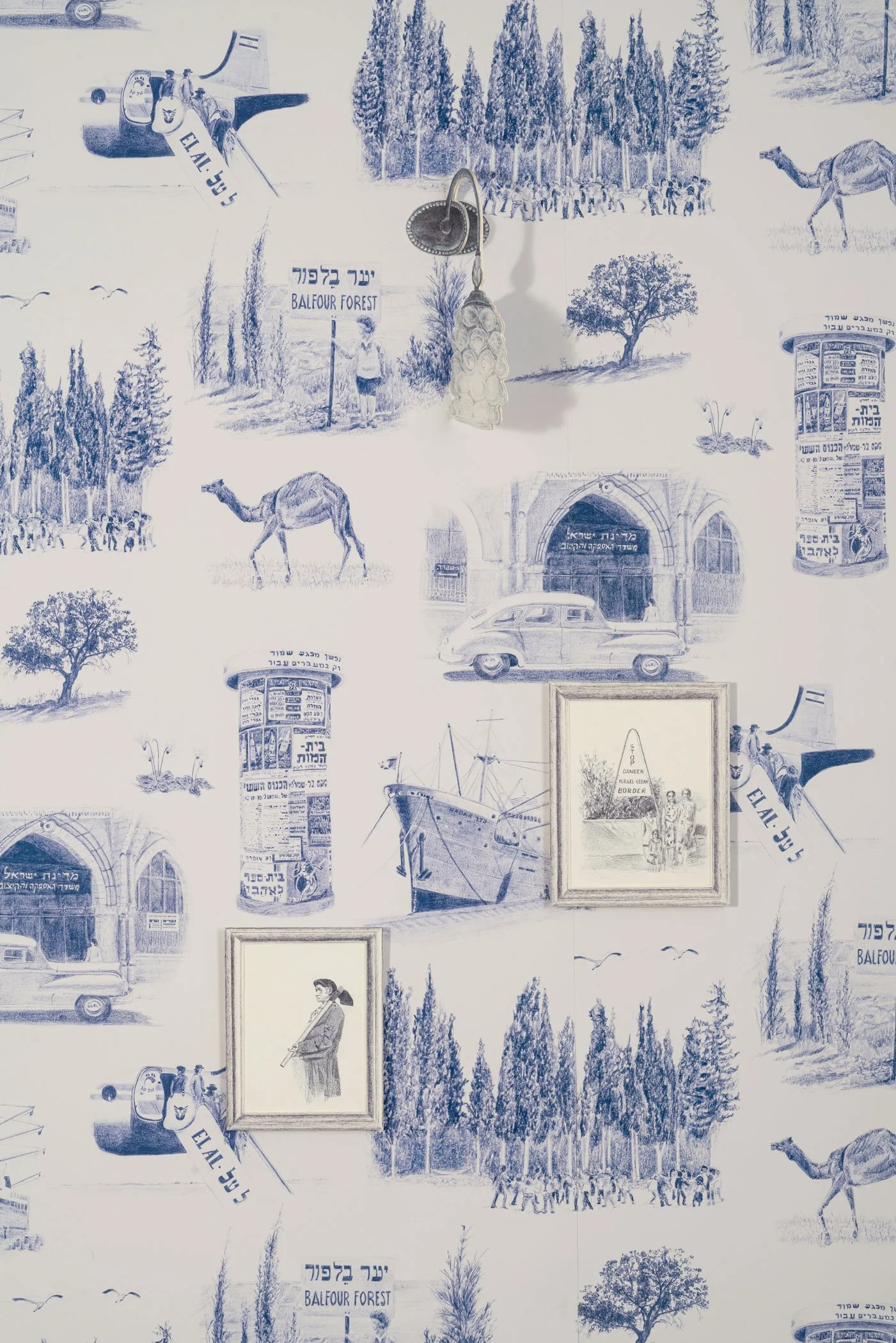
The wallpaper forms a flat, uniform visual field, disrupted by protruding paper objects that invite close examination of the iconic representations of the Israeli ethos.
The wallpaper patterns are divided into four thematic units: Landscapes and sites unique to Israel (the aqueduct near Acre, the Jezreel Valley fields, the desert, the Sea of Galilee, Old Jaffa); life on a kibbutz (lawns, tractor, cowshed, water tower); early days of the State of Israel (immigrant ship, El Al airplane, billboard); and urban imagery (Bauhaus building, playground, Tel Aviv/Haifa street scenes). Singer weaves together national and personal memories, crafting a portrait that is simultaneously personal and collective.
Within the repetitive wallpaper imagery, keen-eyed viewers will find singular, anachronistic, and conflict-laden images. These elements subtly undermine the Zionist ethos, exposing less favorable facets lurking beneath the surface of the invented Ashkenazi-Zionist tradition: concealment, racism, misogyny, inequality, xenophobia, and the heavy toll of life in Israel. These include: the separation wall, now an inseparable part of the landscape; an Arab village, excluded from the visual narrative of the land; chauvinistic T-shirt slogans; pashkevil posters calling for the exclusion of women from public space; symbols of the ongoing judicial upheaval embedded in archaeological remnants; peace banners — a word that has become stigmatized, even in Tel- Aviv; “Death to Arabs” graffiti; defiant graffiti scrawled on a city dumpster; soldiers and military aircraft intruding upon the pastoral scenes. Even the oak tree, indigenous to the country and serving as a recurring motif in all four wallpapers, symbolizing rootedness and connection to the land, briefly appears as a charred, severed olive tree trunk — a piercing metaphor, like an arrow through the heart of this torn country.
Singer takes the grand narrative of this land and disassembles it into exquisite blue illustrations that evoke both nostalgia and pain. Laboriously and methodically drawing the delicate images, she masterfully conveys the familiar sights of the country — images that enchant us like magic — while simultaneously undermining the hegemonic Ashkenazi-Zionist narrative they reflect. The hint at a bourgeois decorative style that characterizes the entire gallery space further highlights the discrepancy between the romanticized portrayal of the Israeli settlement enterprise and the complexity of reality. The two-dimensional objects (‘photographs’ and wall sconces) and ceiling crown molding protruding from the walls recall the homes in Europe where the Zionist dream was first kindled — but that were, however, in stark contrast to the character and style of the newly-founded settlements in Israel. The images and sculptural elements, including the paper album sculpture on the stage, create a sense of a cozy, secure domestic space. In truth, they are but imitations, representations of an absent origin — mocked up elements. Like the images on the wallpaper, they are drawn from a world so different that time and distance blur its authenticity: Were they ever real, or was it merely a dream?
— R.M.

About the artist and the curator
Ruti Singer is a multidisciplinary artist working in drawing, painting, video, and installation. Born in Southern Africa (Swaziland), she lives and works in Kfar Yona. She holds an MFA in Creative Arts from the University of Haifa (2024). In her practice she explores social and political issues alongside personal themes, exploring the mechanisms behind identity construction and collective consciousness. Singer has presented solo and duo exhibitions at venues including the Tel Aviv Artists' House, Alfred Gallery, and Mananit Gallery, and has participated in numerous group exhibitions in Israel and abroad.
Member of the Alfred Institute for Art and Culture since 2021.
Dr. Revital Michali is a researcher, independent art curator, dramaturgist and performance artist living and working in Tel Aviv-Jaffa. Michali holds a Ph.D. in Visual Arts from Tel Aviv University. Her writing and artistic practice focus on female identity, motherhood, and their connection to public spaces. She has curated and produced art exhibitions and events in Tel Aviv, Berlin, and the USA.
Member of the Alfred Institute for Art and Culture since 2021.